

Well-Woman Care
Routine gynecologic care includes irregular or painful cycles, PCOS, contraception, preconception advice and periodic screening.

Is this you?
- Cycles that have become irregular, heavy, or simply unpredictable
- Signs of PCOS — acne, weight changes, unwanted hair, skipped periods
- Planning a pregnancy in the next year and wanting a head start
- Contraception decisions you’d like made with a specialist, not a leaflet
- A checkup that is simply overdue
PCOS care
A realistic, long-term plan for polycystic ovary syndrome — cycles, skin, weight and fertility.
Cycle problems
Irregular, heavy or painful periods investigated properly, not dismissed.
Well-woman checkups
Periodic examinations and screening based on your age, symptoms and medical history.
Preconception counselling
A health review, medication check and appropriate tests before trying to conceive.
What to expect
- 1
The consultation
visit 1A review of your symptoms, cycle and medical history.
- 2
Focused testing
as neededOnly what your case actually needs — labs, ultrasound.
- 3
A clear plan
Written recommendations with treatment and follow-up steps.
- 4
Routine follow-up
yearlyAnnual checks, or earlier review if symptoms change.
Common questions
A long-term plan across cycles, skin, weight and — when you want it — fertility. Realistic goals, reviewed over time; not a single prescription and goodbye.
Folic acid is the non-negotiable; vitamin D if your level is low. The rest depends on your labs — bring them and leave with a short, honest list.
Once a year for most women — sooner if your cycle changes, bleeding gets heavier, or new pain appears.
Whatever brings you in, you get the same unhurried conversation.
Related articles
All articles
Can you get pregnant with endometriosis? Understanding your fertility options
Most women with endometriosis can conceive. How the condition affects fertility, when surgery or IVF helps, and when to seek fertility advice.

Can endometriosis come back after surgery?
Why endometriosis can recur after surgery, how recurrence differs from persistent pain, what lowers the risk, and what to do if symptoms return.
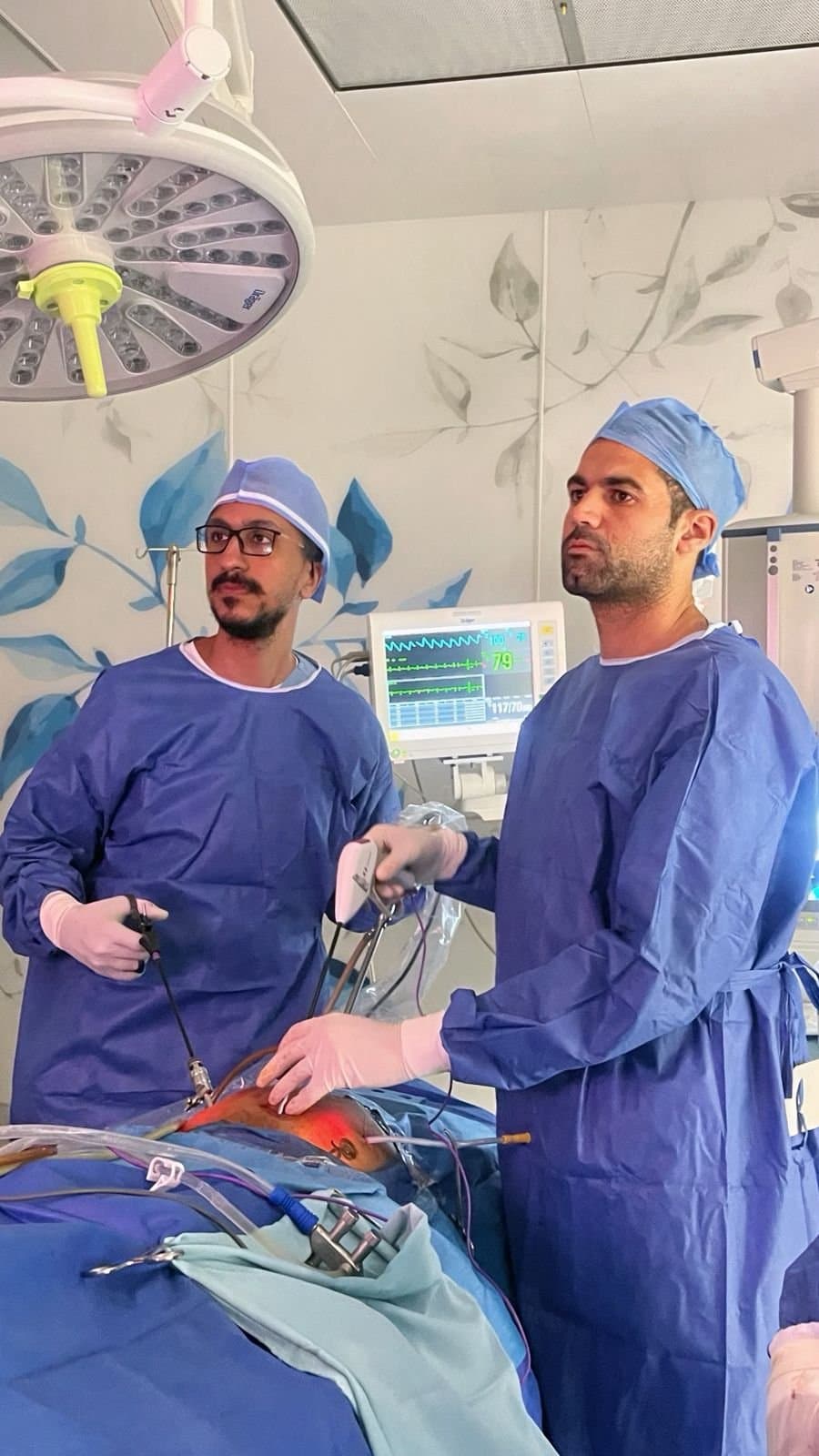
Endometriosis surgery: when is it recommended and what are the options?
When surgery for endometriosis is recommended, how excision, ablation and laparoscopy differ, the risks, the effect on fertility, and what to ask a specialist.
Start with a conversation.
At the first consultation, we review your history and results, explain the options, and agree on the next step.