
Endometriosis surgery: when is it recommended and what are the options?
 Dr. Omar Aboali, MRCOG · 8 min read
In this article
Endometriosis can affect many parts of everyday life, from periods and pelvic pain to relationships, work and fertility. For some patients, symptoms stay difficult to manage despite medication and other treatments. That leads to an important question: could surgery help?
Endometriosis surgery can be the right treatment for some patients, but it is not necessary or suitable for everyone. The decision depends on your symptoms, the location and extent of the disease, previous treatments, fertility goals, and the potential benefits and risks of an operation.
This guide covers when surgery may be considered, the main surgical approaches, what to know about recovery, and how to plan treatment if you are considering travelling to Egypt for care.
What is endometriosis?
Endometriosis is a condition in which tissue similar to the lining of the womb grows outside the womb, usually within the pelvis. It may be found on the ovaries, the lining of the pelvis and other structures. In some cases it affects areas around the bowel, bladder or ureters.
The condition can cause inflammation, scar tissue and adhesions. Endometriosis on the ovaries can also form cysts known as endometriomas.
Symptoms vary from one person to another. They may include:
- Painful periods that interfere with everyday activities
- Persistent pelvic or lower abdominal pain
- Pain during or after sexual intercourse
- Pain when opening the bowels or passing urine, particularly around a period
- Difficulty conceiving
- Fatigue and other symptoms that affect quality of life
Some people have severe symptoms, while others notice very little. The severity of pain does not always match the extent of the disease.
If you have symptoms that could be related to endometriosis, a specialist assessment can establish which investigations and treatment options are appropriate.
Endometriosis diagnosis and treatmentDoes everyone with endometriosis need surgery?
No. Surgery is one of several ways to manage endometriosis.
Depending on the case, treatment may include pain relief, hormonal medication, surgery, or a combination. Some patients manage their symptoms without an operation, while others benefit from a surgical assessment.
Hormonal treatments can help control symptoms, but they do not remove endometriosis lesions. Equally, surgery does not guarantee that symptoms will disappear permanently or that no further treatment will be needed.
The aim is an approach that balances symptom control, the expected benefits of treatment, its risks and your own priorities. A treatment plan should be based on an individual assessment, not on the assumption that every patient with endometriosis needs surgery.
When might endometriosis surgery be recommended?
Two patients with similar findings on imaging may need different treatment plans.
One may want to reduce persistent pain, while another is mainly concerned about fertility. A third may need assessment because the disease affects an organ such as the bowel or urinary tract.
These priorities influence whether surgery is recommended, which structures need treating, the surgical approach, and how the benefits and risks are weighed. This is why endometriosis surgery is planned individually, after an assessment of the disease, your symptoms, your reproductive goals and your overall health.
Persistent symptoms despite other treatments
For some patients, pelvic pain or painful periods continue to affect daily life despite appropriate medication.
In this situation, a specialist may discuss whether surgery could improve symptoms and quality of life. The potential benefits are weighed against the possibility of persistent pain, complications or recurrence.
Ovarian endometriomas
Endometriosis can cause cysts on the ovaries, known as ovarian endometriomas.
Not every endometrioma needs surgery. The decision depends on symptoms, the ultrasound findings, the appearance of the cyst, its clinical significance and your plans for pregnancy.
Surgery on the ovaries needs particular care because it can affect ovarian reserve. This matters for patients who want to conceive in the future or who are considering fertility treatment.
Deep endometriosis
In some cases, endometriosis extends deeper into the tissues and may involve the bowel, bladder or the tissues around the ureters.
Deep endometriosis needs detailed assessment and careful surgical planning. Depending on the location and extent of the disease, specialist imaging and input from other surgical specialties may be needed.
The right approach depends on the organs involved, your symptoms, the expected benefit of surgery, and the expertise and facilities available.
Fertility considerations
Endometriosis can be associated with difficulty conceiving, but surgery is not automatically the best first step for everyone with infertility.
Age, ovarian reserve, other fertility factors, the presence of endometriomas and your plans for pregnancy all influence the decision. In some situations surgery may be considered; in others, fertility treatment or a different approach is more appropriate.
If pregnancy is a priority, fertility should be part of the discussion before an operation is planned.
What are the different types of endometriosis surgery?
The technique depends on the location, extent and characteristics of the endometriosis, and on your individual circumstances.
Laparoscopic surgery
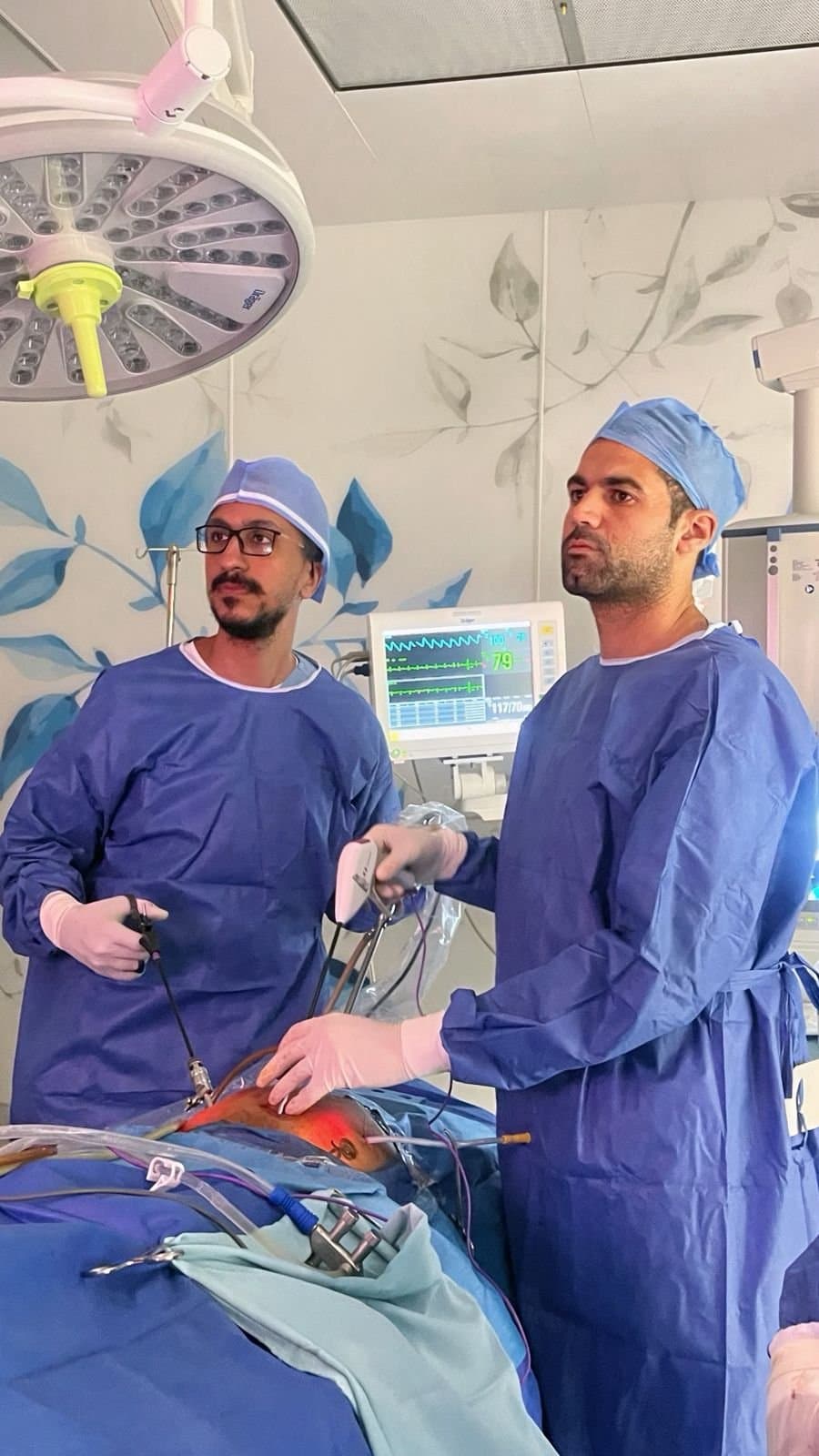
Laparoscopy is a minimally invasive technique in which the surgeon uses a camera and specialised instruments passed through small incisions in the abdomen.
It is the usual route for endometriosis surgery. However, laparoscopy describes how the operation is performed, not which technique is used to treat the lesions.
The planned procedure should be explained clearly beforehand, including which areas may be treated and whether the plan might need to change depending on what is found.
Excision surgery
Excision means surgically cutting out endometriosis tissue.
It may be considered for certain types and locations of disease. Whether excision is suitable depends on the structures affected, the depth and extent of the lesions, and the surgeon’s assessment.
Ask what the proposed operation involves, why it is recommended in your case, and what benefits and risks are expected.
Ablation surgery
Ablation means destroying endometriosis tissue using an energy source.
Excision and ablation are different approaches, and neither is right for every patient. The choice depends on the location and characteristics of the disease, the clinical circumstances and the surgeon’s expertise.
A good consultation explains why a particular technique is being considered and whether there are alternatives.
Surgery for ovarian endometriomas and deep endometriosis
Operations for ovarian endometriomas or deep endometriosis need additional planning because of their potential effect on ovarian tissue and nearby organs.
In ovarian surgery, preserving healthy ovarian tissue is a key consideration. For deep disease involving the bowel, bladder or ureters, the plan may require a multidisciplinary team.
The complexity of the operation and the support required vary from case to case.
Keyhole surgery for endometriosisWhat are the benefits and risks of endometriosis surgery?
For carefully selected patients, surgery may improve pain and quality of life. In some circumstances it also forms part of a fertility treatment plan.
Results vary, however. Some patients continue to have symptoms after surgery, and endometriosis or its symptoms may come back.
Potential risks include:
- Bleeding or infection
- Complications related to anaesthesia
- Injury to surrounding organs
- Adhesion formation
- Persistent or recurrent symptoms
- The possibility of further treatment or surgery
The specific risks depend on the planned procedure and your medical history. Surgery on the ovaries may reduce ovarian reserve, and more complex operations involving the bowel, bladder or ureters carry additional risks.
Before deciding, ask your specialist to explain the expected benefits, the risks that apply to you, the alternatives, and what may happen if you decide not to have surgery. An informed decision reflects both the medical evidence and your own priorities.
How can endometriosis surgery affect fertility?
Fertility is an important part of planning endometriosis treatment.
Some patients are considering surgery for symptoms while also hoping to conceive. Others are exploring fertility treatment or trying to understand how endometriosis could affect their chances of pregnancy.
The relationship between surgery and fertility is complex. The effect depends on the location of the endometriosis, ovarian reserve, age, previous operations and other fertility findings.
In particular, surgery on an ovarian endometrioma can affect healthy ovarian tissue and ovarian reserve. This is why the benefits and risks should be discussed before an operation, especially if future fertility is a priority.
Surgery does not guarantee pregnancy, and it is not always the right first step for someone with infertility. If you are planning to conceive, ask how the proposed treatment fits into your wider fertility plan and whether further fertility assessment would help. Our article on getting pregnant with endometriosis covers the options in more detail.
What should you ask an endometriosis specialist before surgery?
A consultation should help you understand your condition, the options available and the reasoning behind any proposed treatment. Questions worth asking:
- What do my symptoms and investigations suggest about the location and extent of my endometriosis?
- Do I need further imaging or other investigations before deciding?
- What are the alternatives to surgery in my situation?
- Which surgical technique do you recommend, and why?
- What are the potential benefits and risks of the operation?
- Could the procedure affect my ovarian reserve or fertility?
- Will other specialists need to be involved?
- What recovery period should I expect?
- What follow-up care will I need?
- What are the next steps if symptoms persist or return?
Where possible, send your relevant medical records in advance: previous scan reports, operation notes, medication history and fertility investigations. Understanding the proposed treatment before committing to surgery helps you make a more informed decision.
Considering endometriosis treatment in Egypt?
Travelling abroad for treatment involves more than choosing a procedure. Two practical questions come first.
Can you arrange a consultation before travelling?
Yes. An online consultation allows a review of your case and a provisional treatment plan. Further investigations and endometriosis mapping must then be completed in person. A remote consultation helps with initial planning, but it cannot replace an examination or investigations when these are clinically necessary.
How long should you plan to stay?
A stay of about seven days is usually advised. The right length depends on the procedure, your recovery and your surgeon’s advice.
Do not assume you will be able to fly home immediately after surgery. Ask when travel will be appropriate.
How treatment works for international patientsFrequently asked questions
No. Treatment depends on your symptoms, clinical findings and goals. Medication and other approaches suit some patients, while others benefit from a surgical assessment.
Yes. Endometriosis or its symptoms can recur after surgery. The likelihood varies with individual circumstances, and some patients need further treatment to reduce the chance of it returning.
It can help many patients in certain circumstances, but it does not guarantee pregnancy and is not the best option for everyone. The possible effect on ovarian reserve and the role of fertility treatment should be discussed individually before surgery.
Yes. You can book an online consultation to discuss a treatment plan and have your medical records reviewed before you travel. Confirm which assessments can be done remotely, which investigations will be needed, and how your care would be arranged if you decide to proceed.
Contact the practice on WhatsApp or by phone, describe your symptoms, and ask which medical records or investigations to send before your consultation.
Whether surgery is right for you depends on your symptoms, investigations and fertility plans. Send your reports for a review of what further assessment you may need and which treatments fit your situation.