

Pregnancy & Birth
Dr. Omar personally follows pregnancies from the first visit through delivery, with particular experience in pregnancy after IVF, recurrent loss and high-risk cases.
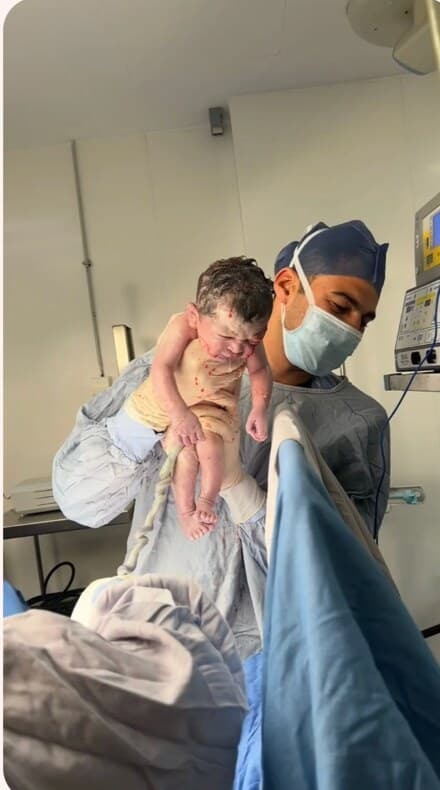
Is this you?
- Pregnant after IVF and looking for close, structured follow-up
- A history of recurrent loss that requires closer monitoring
- A “high-risk” label and not enough explanation of what it means
- Wanting one doctor — not a rotation of strangers — through to delivery
- A first pregnancy and a preference for honest, unhurried answers
Antenatal care
Structured follow-up, scans and honest counselling at every stage.
High-risk pregnancies
Closer monitoring for IVF pregnancies, recurrent loss and complicated medical histories.
Delivery
A delivery planned with you, led by the doctor who has followed your pregnancy.
Postpartum follow-up
Care for your health and recovery after birth.
What to expect
- 1
Booking visit
first trimesterDating scan, laboratory tests, medical history and a clear follow-up schedule.
- 2
Regular follow-ups
monthly → weeklyScans and tests at the appropriate stages, with more frequent visits when medically needed.
- 3
The birth plan
~week 36Natural or C-section — decided together, on medical grounds, ahead of time.
- 4
Delivery
the dayDelivery with the doctor who has followed your pregnancy.
- 5
Postpartum
afterA check on your health and recovery after birth.
Common questions
Roughly monthly at first, then more frequently toward the end. IVF and high-risk pregnancies may need closer monitoring. The schedule depends on the medical needs of the pregnancy.
Of course. Bring your cycle records; the pregnancy is followed with the same care regardless of where it began.
A decision made together, on medical grounds, discussed well before the due date — never sprung on you in the delivery room.
Pregnancy follow-up can begin after treatment with Dr. Omar or after IVF at another clinic.
Related articles
All articles
PGT-A and IVF: when is embryo genetic testing recommended?
What PGT-A tests for, how it works during IVF, and when it helps: advanced maternal age, repeated IVF failure and recurrent miscarriage.
Can you get pregnant with endometriosis? Understanding your fertility options
Most women with endometriosis can conceive. How the condition affects fertility, when surgery or IVF helps, and when to seek fertility advice.

After repeated miscarriage — why it happens and what can be done
Recurrent pregnancy loss is not simply bad luck to accept. In many cases there is a cause worth finding — and a plan worth making.
Start with a conversation.
At the first consultation, we review your history and results, explain the options, and agree on the next step.