

Endometriosis
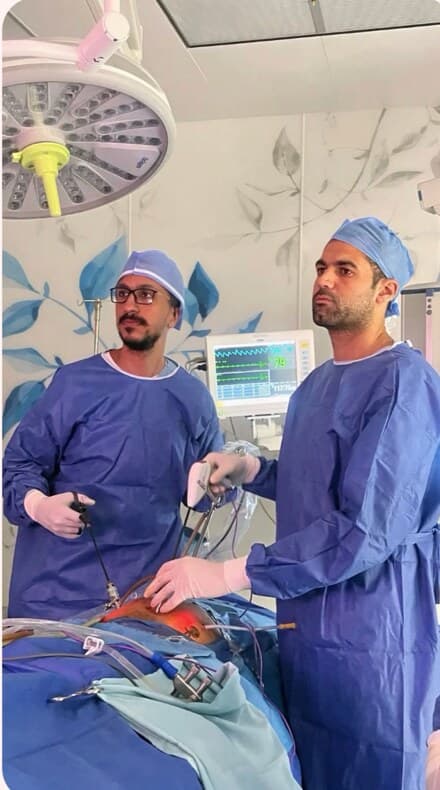
Endometriosis often takes years to diagnose because severe period pain is dismissed as normal. Dr. Omar completed a master’s degree in endometriosis and fertility at Oxford and provides assessment, disease mapping and laparoscopic excision.
Is this you?
- Period pain that painkillers barely touch — and that cancels plans every month
- Pain during or after intimacy
- Pain with bowel movements or urination, especially around your period
- Heavy or prolonged bleeding
- Difficulty conceiving alongside a history of painful periods
Diagnosis
Careful mapping of disease — including the cases that were missed for years.
Excision surgery
Meticulous laparoscopic excision — including deep and bowel disease — removing it rather than burning the surface.
Fertility planning alongside endometriosis
Planning treatment with ovarian reserve and future fertility in mind.
Pelvic pain care
A structured plan for chronic pelvic pain, painful periods and painful intimacy.
What to expect
- 1
Consultation & mapping
visit 1Your pain taken seriously; imaging reviewed, disease mapped carefully.
- 2
The decision, together
Surgery is considered only when its expected benefit is clear, with fertility factored in from day one.
- 3
Excision surgery
1–3 hoursMeticulous keyhole excision at the roots — not surface burning.
- 4
Recovery
home same or next dayMost patients are back to daily life within days.
- 5
Follow-up
ongoingA healing check, pain review and fertility planning when needed.
Common questions
There is no permanent “cure,” but meticulous excision can provide long-lasting symptom relief and improve daily life. Recurrence is possible, which is why the quality of the first surgery matters.
The effect depends on the location and extent of the disease and on the surgical approach. Excision planned with ovarian reserve in mind can preserve fertility and may improve the chance of pregnancy in some cases.
Endo pain typically peaks with the period, runs deeper, and can involve the bowel or intimacy; PCOS discomfort tracks the cycle’s irregularity. A consultation — not a guess — settles it.
If you have been told “this is just how periods are” — come get a second opinion.
Start with a conversation.
At the first consultation, we review your history and results, explain the options, and agree on the next step.