

Fertility & IVF
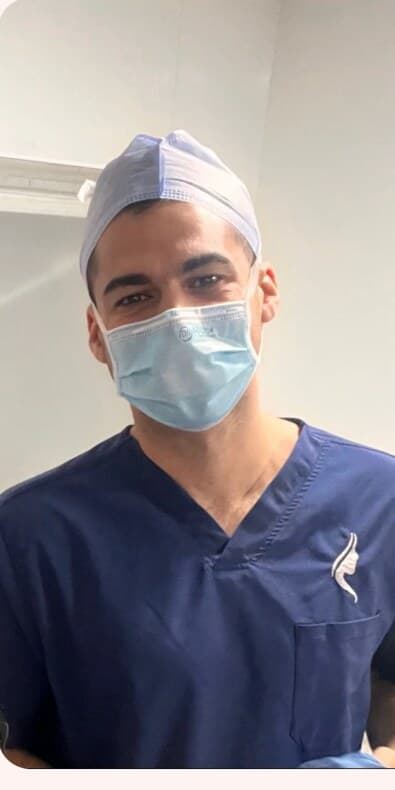
Dr. Omar’s fertility practice uses evidence-based testing and treatment, with protocols selected for each patient. Options include the No-Needle IVF approach he introduced in Egypt.
Is this you?
- Trying for over a year without a positive test — or over six months if you’re 35+
- Irregular ovulation, PCOS, or cycles you can’t predict
- A previous IVF cycle elsewhere that failed or felt impersonal
- A male-factor diagnosis and conflicting advice about next steps
- Wanting to preserve your fertility before it becomes urgent
IVF / ICSI
Full in-vitro fertilization and intracytoplasmic sperm injection cycles, with protocols tailored to your case and a realistic view of your chances.
No-Needle IVF / ICSI
A complete IVF cycle without dozens of daily injections, for patients who are medically suitable.
Egg & embryo freezing
Fertility preservation for medical or personal reasons, based on age, ovarian reserve and future plans.
IVF with PGT-A
Preimplantation genetic testing to select chromosomally normal embryos — fewer failed transfers, more informed decisions.
IVF with gender selection
Family balancing with PGT, done ethically and within a clear medical framework.
Fertility-enhancing surgery
Laparoscopic and hysteroscopic correction of anatomical problems that may interfere with conception.
What to expect
- 1
Consultation & workup
visit 1Your history, AMH and ultrasound, semen analysis, and expected success rates before treatment starts.
- 2
Stimulation
8–12 daysShort morning monitoring visits — usually 4 to 6 of them, 15–20 minutes each.
- 3
Egg retrieval
~20 minutesUnder light sedation. You go home the same day.
- 4
The lab
3–5 daysFertilization by IVF or ICSI, then embryo development — with updates along the way.
- 5
Embryo transfer
~5 minutesNo anesthesia needed; back to your day immediately.
- 6
The pregnancy test
10–14 days laterA beta hCG blood test, followed by clear advice on the result and next steps.
Common questions
From the start of stimulation to embryo transfer, usually two to three weeks — plus a preparation month for tests and planning. At the first consultation, we set out a clear timeline for you.
Yes — current practice is to stop at least one month before starting a cycle. Bring your full medication list to the consultation and we’ll plan the timing together.
Typically ovarian reserve testing (AMH), a baseline ultrasound, hormone profile, and a semen analysis for your partner. If you have recent results, bring them — nothing is repeated unnecessarily.
Every cycle begins with an assessment of your chances, options and expected timeline.
Start with a conversation.
At the first consultation, we review your history and results, explain the options, and agree on the next step.