

Can you have endometriosis with a normal ultrasound or MRI?
 Dr. Omar Aboali, MRCOG · 4 min read
In this article
Source: Reiser E, Tschiderer L, Buchweitz O, et al. Predicting superficial peritoneal endometriosis in symptomatic women with negative examination and imaging. Fertility and Sterility. 2026;126(2):381–390.
Can you have endometriosis with normal imaging?
Yes. A woman can have endometriosis even when her pelvic examination, ultrasound and MRI are normal. This applies particularly to superficial peritoneal endometriosis, where lesions grow on the peritoneum, the thin membrane lining the pelvis and covering some of its organs.
Unlike ovarian endometriomas and many forms of deep endometriosis, superficial lesions can be hard to see on routine imaging. A normal scan therefore does not exclude endometriosis, but symptoms alone cannot confirm it either.
This multicenter case-control study asked whether symptoms and quality-of-life measures could predict superficial peritoneal endometriosis in women with normal examination and imaging.
What is superficial peritoneal endometriosis?
Endometriosis is a chronic inflammatory condition in which tissue similar to the uterine lining grows outside the uterus. The main forms are:
- Superficial peritoneal endometriosis: lesions on the surface of the peritoneum
- Ovarian endometriosis: often forming cysts called endometriomas
- Deep endometriosis: lesions that grow beneath the surface and may involve the bowel, bladder or uterosacral ligaments
Superficial lesions may be small and hard to see with standard imaging, which makes diagnosis difficult when symptoms persist and scans are normal. See also Endometriosis mapping scan.
Which symptoms were linked to superficial endometriosis?
The researchers compared women found to have superficial peritoneal endometriosis at surgery with women who had similar symptoms but no endometriosis. Two factors were significantly associated with the disease:
- Severe period pain (dysmenorrhoea): about twice the odds of superficial endometriosis (odds ratio 2.01; 95% CI 1.14–3.53).
- Pain lasting more than three years: about 2.4 times the odds (odds ratio 2.40; 95% CI 1.40–4.11).
These findings may raise clinical suspicion, but neither can confirm endometriosis on its own.
Which symptoms did not predict it?
Several symptoms often linked with endometriosis did not distinguish women with superficial disease in this study:
- Pain during sex (dyspareunia)
- Pain when passing urine (dysuria)
- Pain when opening the bowels (dyschezia)
- Pain only during periods
- Use of painkillers
- Family history of endometriosis
- Health-related quality of life
- Sexual function
This does not mean these symptoms are unrelated to endometriosis, only that they did not help predict superficial disease in this group.
What does a negative ultrasound or MRI mean?
A negative scan can be reassuring, but it should always be read alongside symptoms, history and examination. Imaging detects endometriomas and many cases of deep endometriosis well, but superficial lesions may be missed.
A normal scan does not rule out superficial endometriosis, and persistent symptoms do not automatically mean endometriosis is present. Irritable bowel syndrome, bladder pain syndrome and other causes of chronic pelvic pain can produce similar symptoms.
Should you have a laparoscopy if imaging is normal?
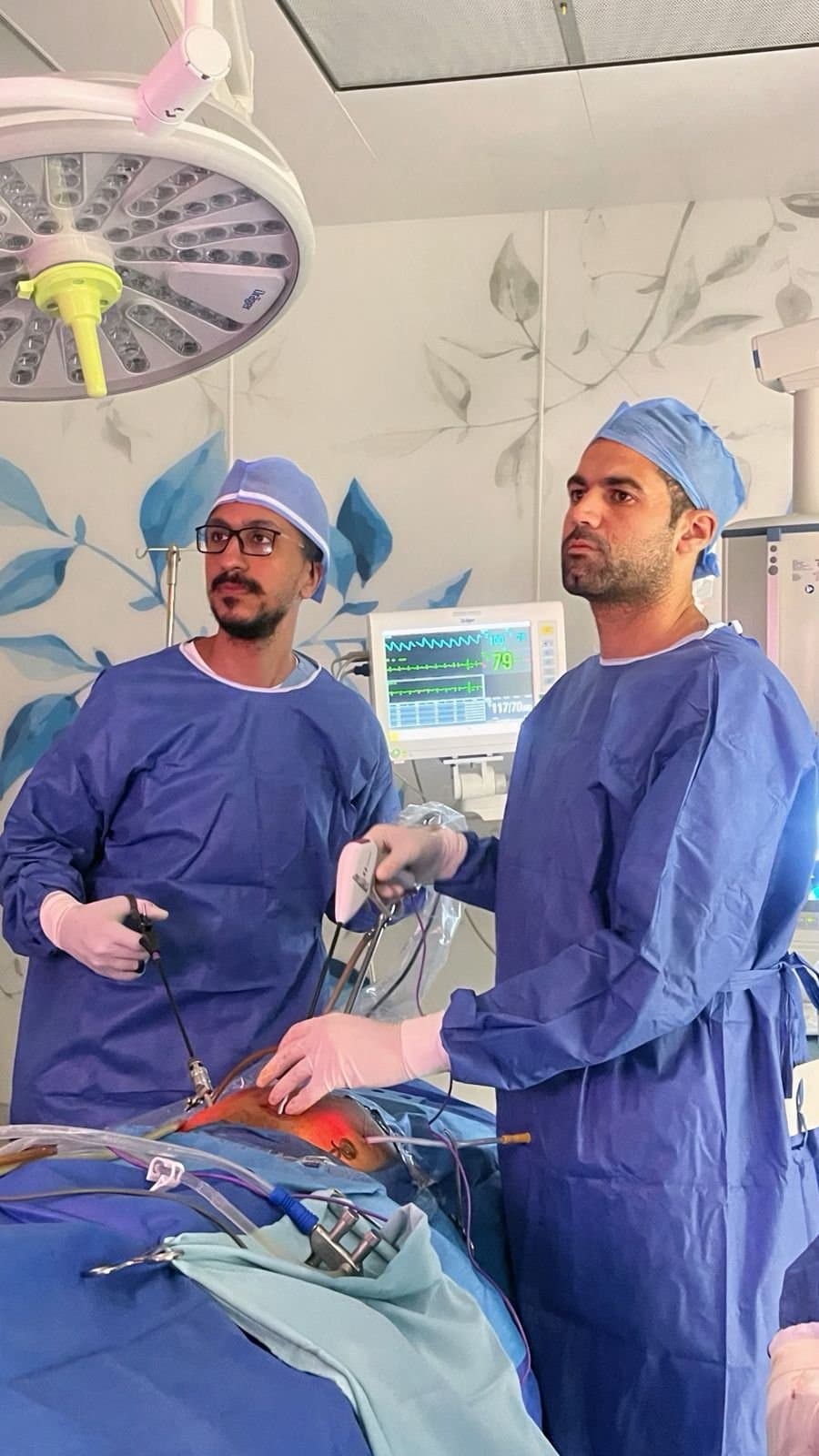
Laparoscopy may be considered for selected women with persistent symptoms suggesting endometriosis, even with normal imaging, but not on symptoms alone. In this study, 108 of 229 women (47.2%) had no endometriosis at surgery, even though their symptoms had been significant enough for surgery at specialist centres.
The decision should consider:
- How severe the symptoms are and how long they have lasted
- The effect of pain on daily life
- Previous treatments and how well they worked
- Other possible causes of pelvic pain
- Your reproductive goals
- The benefits and risks of surgery
For women not currently trying to conceive, medical management may be appropriate depending on the circumstances. The findings support shared decision-making rather than a symptom score deciding who has surgery. See also Endometriosis surgery: when is it recommended?
Endometriosis diagnosis and treatmentImportant limitations
- The study included women already scheduled for their first surgery, so the findings may not represent all women with pelvic pain or those managed without surgery.
- It looked only at isolated superficial peritoneal endometriosis or no endometriosis, so the results do not apply to every form of the disease.
- Preoperative imaging findings were not part of the prediction model, so the study does not show how accurately ultrasound or MRI detect superficial lesions.
The authors suggest that combining clinical information with disease-specific biomarkers or new diagnostic technologies may improve non-invasive diagnosis in future.
Conclusion
Severe period pain and pain lasting more than three years were associated with superficial peritoneal endometriosis, but the proposed prediction score failed external validation.
- Normal imaging does not necessarily exclude endometriosis: superficial lesions can be hard to see.
- Symptoms alone cannot confirm endometriosis: other conditions cause similar pain, and surgery may find no endometriosis even in women with significant symptoms.
If you have persistent pelvic pain or severe period pain despite normal imaging, a specialist assessment can explore the possible causes and whether further investigation or treatment is appropriate.
Share your history and imaging with the team to discuss the possible causes and whether further investigation or treatment is right for you.